• Home
    • What is
    • Computer security
      • Windows security
      • Mac security
      • Linux security
    • Mobile security
      • Android security
      • iOS Security
    • Data security
    • SCCM
    • Reviews
      • Case studies
    • Advertise
    • Contact
      • Privacy Policy
  • Subscribe now

    Loading
  • Home
  • What is
  • Computer security
    • Windows security
    • Mac security
    • Linux security
  • Mobile security
    • Android security
    • iOS Security
  • Data security
  • SCCM
  • Reviews
    • Case studies
  • Advertise
  • Contact
    • Privacy Policy
Home » Breaking Computer security Cyber Security data security Latest Cybersecurity News What is

Gmail Introduces Blue Checkmark to Verify Email Senders

John Greenwood Posted On May 5, 2023
0


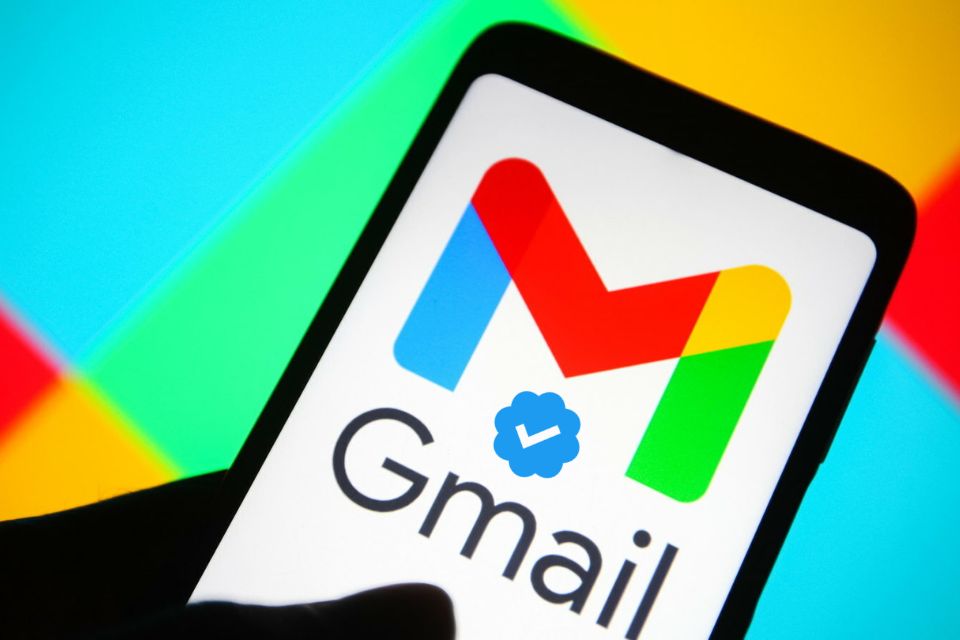
Gmail Blue Checkmark

Google has announced a new feature for Gmail that adds a blue checkmark to authenticated emails.

This feature builds on Gmail’s existing Brand Indicators for Message Identification (BIMI) feature, which verifies the brand logo used by companies as their email avatar.

The addition of the Gmail Blue Checkmark will help identify legitimate email sources, increasing confidence in email senders and providing a better email ecosystem for everyone.
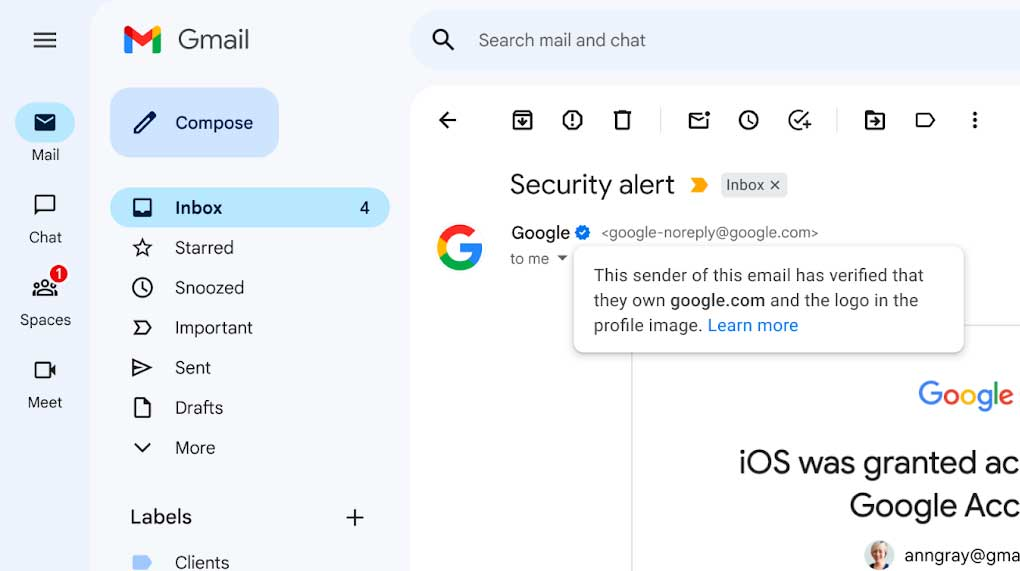
Gmail Blue Checkmark

Importance of the Gmail Blue Checkmark

The verified Gmail blue checkmark will help users and security systems identify and stop spam, providing a better experience for email recipients.

Companies that have already adopted BIMI will automatically receive the checkmark. When hovering over the checkmark, a prompt will read, “This sender of this email has verified that they own [the domain] and the logo in the profile image.”

Availability and Implementation

The Gmail blue checkmark is available for both Workspace and personal Google accounts. The feature is rolling out for both Rapid Release and Scheduled Release domains and may take one to three days to be widely visible.

The introduction of this feature may help reassure users about the authenticity of emails and potentially decrease the number of phishing scams.

The new blue checkmark feature in Gmail verifies email senders, providing a more secure email environment and increasing brand trust for companies.

This feature builds on the existing BIMI feature and is available for both Workspace and personal Google accounts. The implementation of this feature is a step towards a more immersive and secure email experience for all users.

Share the article with your friends


Cybersecuritydata securityPrivacy


Author

John Greenwood

He has been working with Cybersec and Infosec market for 12+ years now. Passionate about AI, Cybersecurity, Info security, Blockchain and Machine Learning. When he is not occupied with cybersecurity, he likes to go on bike rides!

You may also like
Top 9 Best Log Management Tools for 2025
September 20, 2025
Top 4 Remote Support Tools for 2025- Best Remote Support Solution
September 18, 2025
Top 5 Best Unified Endpoint Management (UEM) Software for 2025
September 12, 2025
Leave A Reply

Leave a Reply Cancel reply

Your email address will not be published. Required fields are marked *

This site uses Akismet to reduce spam. Learn how your comment data is processed.

  • Subscribe to our newsletter

    Loading
  • Windows security

    • Top 9 Best Log Management Tools for 2025
      September 20, 2025
    • Top 4 Remote Support Tools for 2025- Best Remote Support...
      September 18, 2025
    • Top 5 Best Unified Endpoint Management (UEM) Software...
      September 12, 2025
    • Top 5 Threat Intelligence Tools For 2025
      July 25, 2025
    • Top 5 Best Microsoft Intune Alternatives to Consider...
      July 23, 2025


  • About us

    Our vision is to deliver the trending and happening cyber events to the enthusiasts.

    We believe in delivering educational and quality content for hassle-free understanding of the subject.

  • Subscribe to our newsletter

    Loading
  • Follow us

  • Advertise with us

    You can reach us via Facebook, Linkedin, or Twitter for advertising purposes.


© The Cybersecurity Times 2022. All rights reserved.
Press enter/return to begin your search